
Printed Fabrics
Custom Printed Fabrics with Traditional Screen Printing and Digital Printing
Towin provides custom printed fabric solutions for apparel brands, supporting both traditional screen printing and digital printing. We help you choose the right printing method based on your base fabric, artwork, order quantity, color effect, hand feel, and delivery schedule.
Digital Printing or Traditional Screen Printing? We Help You Choose the Right Process
Custom printed fabrics supplier for apparel brands. Towin supports traditional screen printing, digital printing, and fabric matching for jersey, French terry, mesh, pique, fleece, and more.
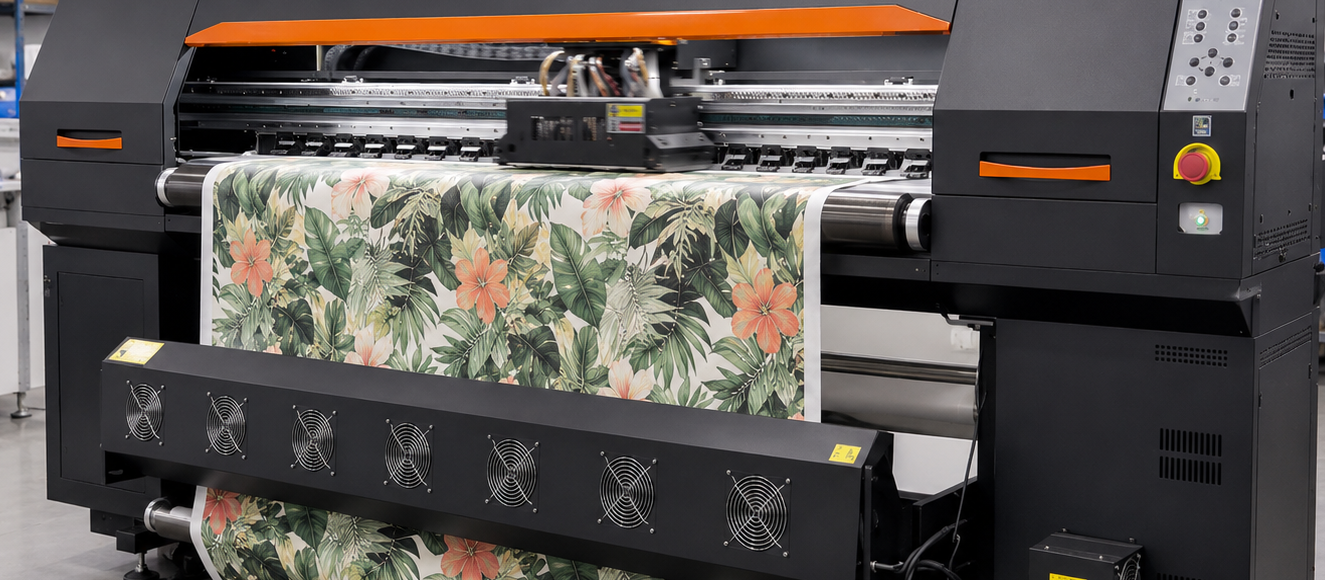
Printed Fabric Quality Starts With the Right Base Fabric and Printing Method
At Towin, we do not simply print patterns onto fabric. We first review the fabric composition, surface, stretch, weight, artwork style, and end use, then suggest a suitable printing method. This helps improve color result, hand feel, production stability, and bulk consistency for your custom printed fabric projects.
Traditional Screen Printing for Stable Bulk Orders
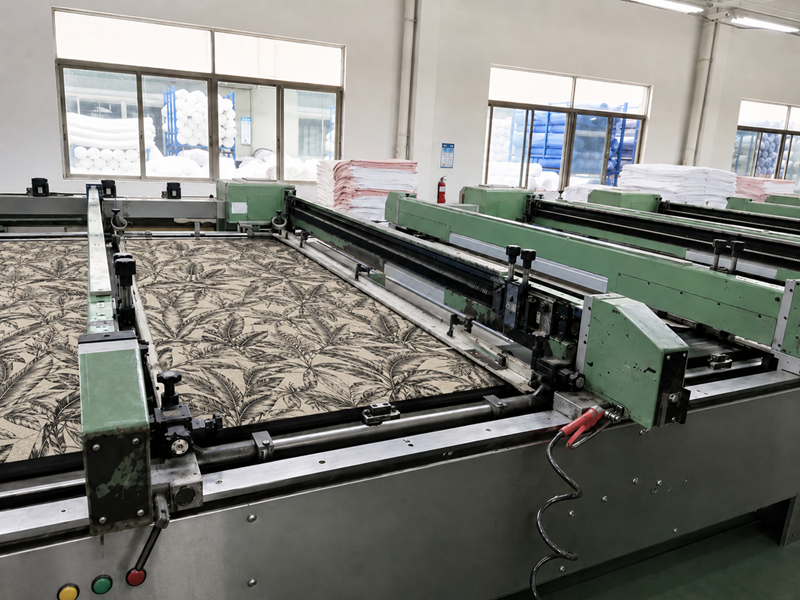
Traditional screen printing is suitable for repeated patterns, solid colors, and medium to large quantity orders. Rotary screen printing is efficient for continuous patterns, while flat screen printing can work well for more detailed designs and multi-color artwork.
Digital Printing for Flexible Custom Designs
Digital printing is a good option for small quantity orders, quick sampling, complex artwork, photo-style prints, gradients, and designs with many colors. It offers more flexibility when the project requires faster development or frequent design updates.
Fabric and Print Matching Support
Different fabrics need different printing solutions. Jersey, French terry, mesh, pique, fleece, and stretch fabrics may require different ink systems, print methods, or finishing processes. Our team helps check the base fabric first, so the final print can better match your garment requirements.
Sampling Before Bulk Production
Before bulk printing, we will arrange a print strike-off for approval. This allows you to check color, scale, hand feel, print clarity, and overall fabric performance before moving forward with production.
Guidelines
Printed Fabric Customization Guidelines
Process
Custom Printed Fabric Development Process
01
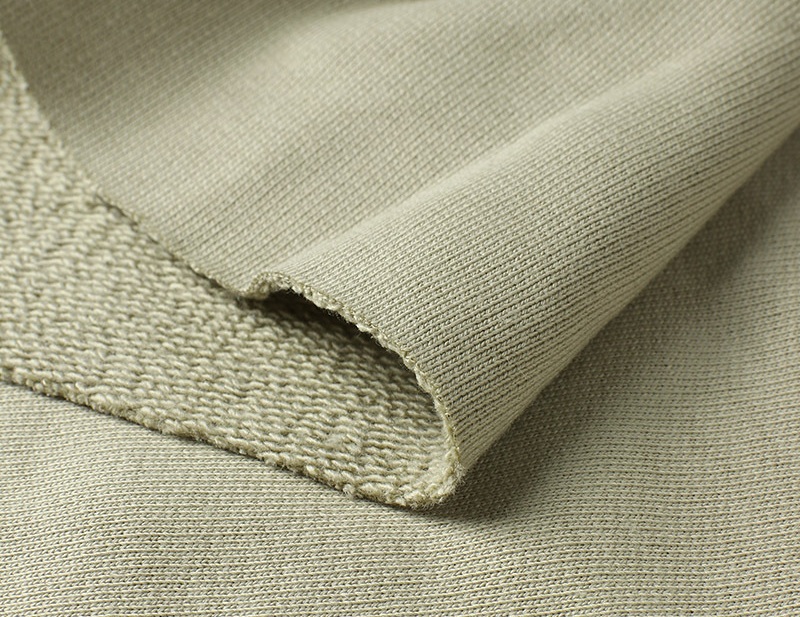
01 Choose the Base Fabric
Select the fabric you want to print on, or share your garment idea with us. We can suggest suitable base fabrics such as jersey, French terry, mesh, pique, fleece fabric based on your end use.
02
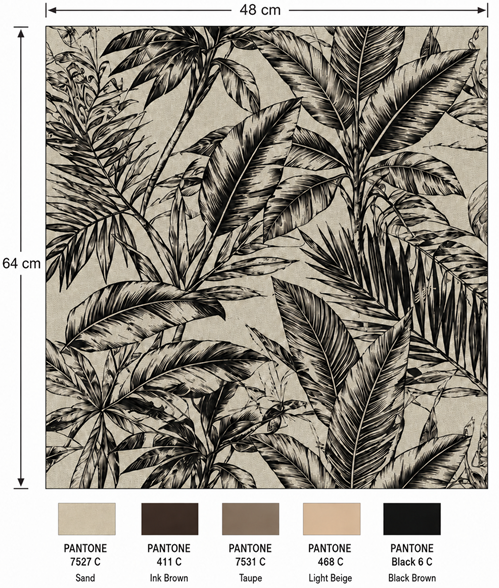
02 Send Artwork or Reference Design
You can send print artwork, a repeat pattern and pantone colors, or even a reference image. Our team will review the design scale, color requirements, repeat size, and printing feasibility before sampling.
03
03 Confirm the Printing Method
Based on your artwork, fabric composition, order quantity, and target effect, we will suggest a suitable printing method. Traditional screen printing is better for stable bulk orders, while digital printing is more flexible for small runs and complex designs.
04
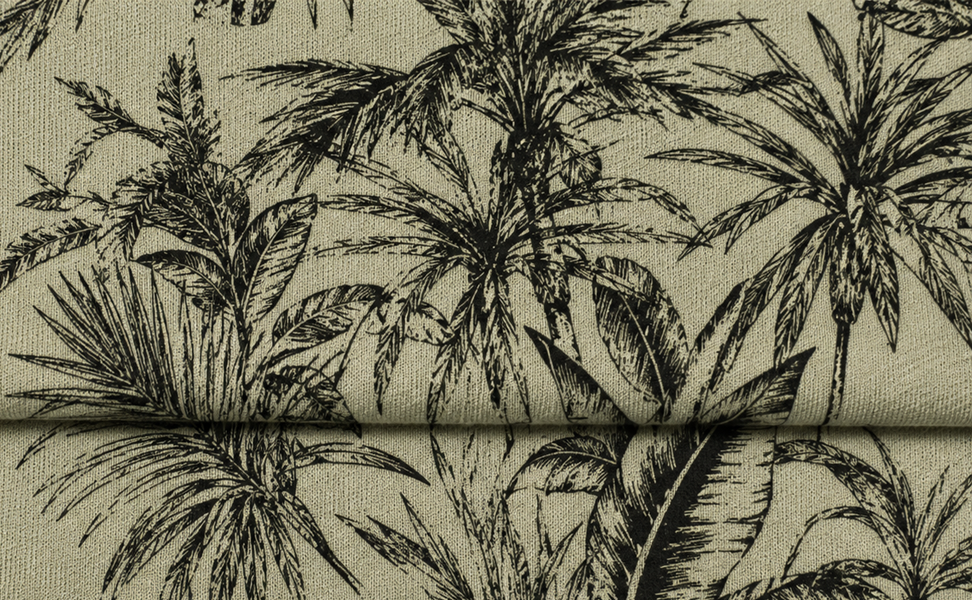
04 Make Print Strike-Off for Approval
A print strike-off or sample cutting can be arranged before bulk production. You can check the print color, pattern size, hand feel, fabric stretch, and overall effect before confirming the final production.
05
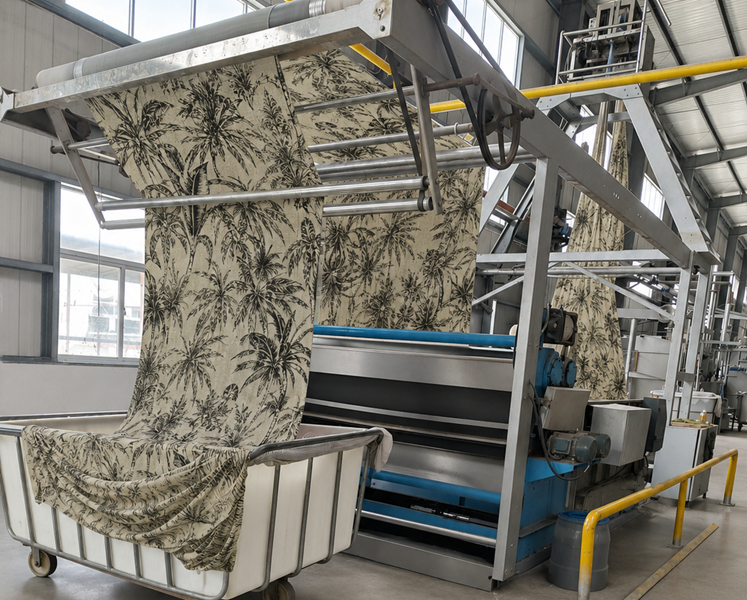
05 Bulk Printing and Fabric Inspection
After approval, we follow up the bulk printing, finishing, fabric inspection, and packing. We check print clarity, color consistency, fabric quality, and quantity before shipment.
Backing Fabrics
Recommended Base Fabrics for Custom Printing
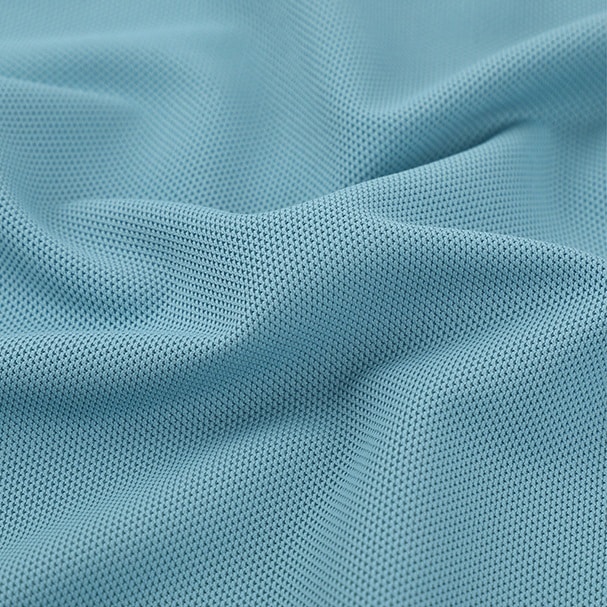
165gsm 86 Nylon 14 Spandex Warp Knit Pique Fabric for Sportswear
165gsm 86% nylon 14% spandex warp knit pique fabric with a lightweight textured surface…
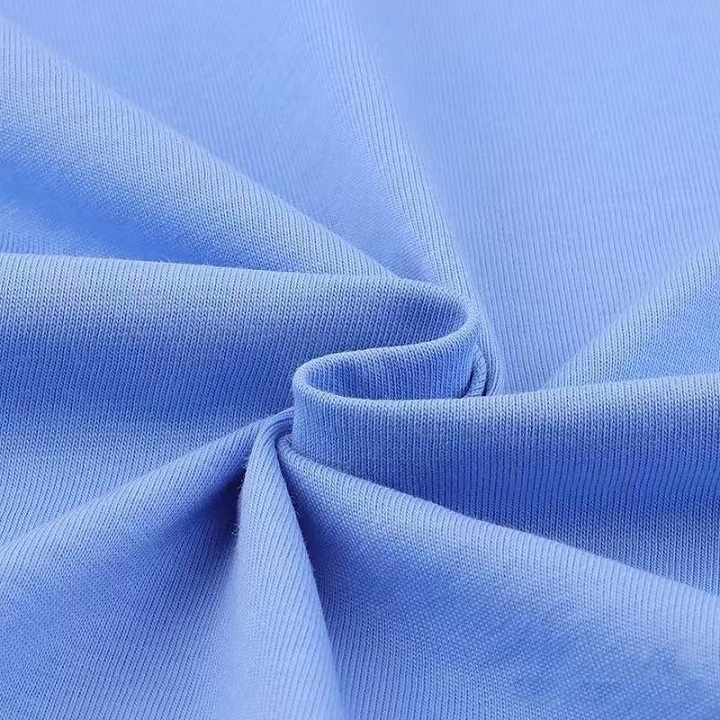
165gsm 100% Cotton Single Jersey Knit Fabric for T-Shirts
Classic cotton jersey with a comfortable lightweight feel, suitable for T-shirts, tops, kidswear, and…
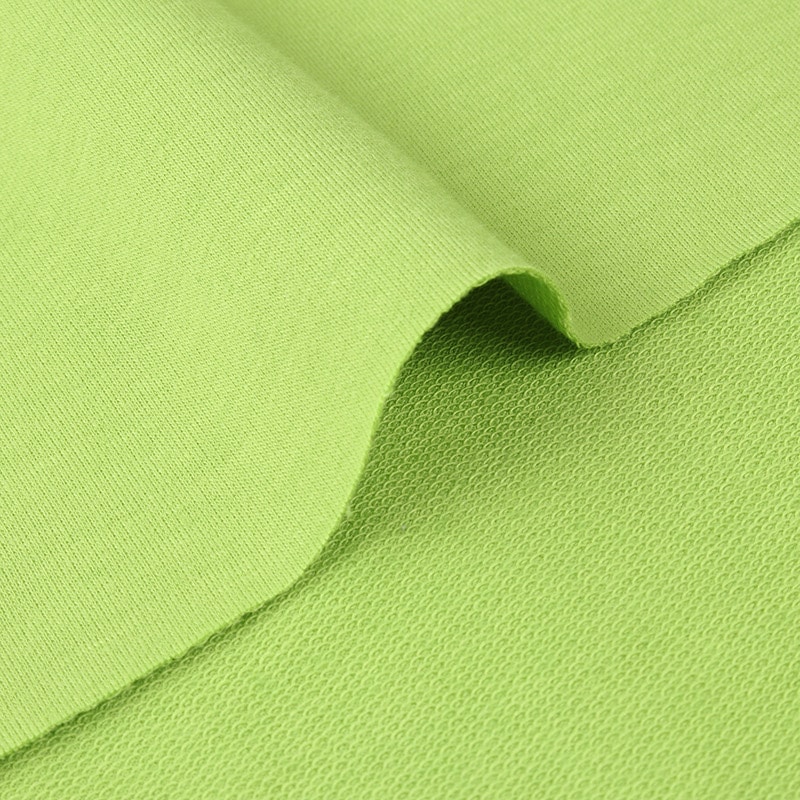
250gsm 95% Cotton 5% Spandex French Terry Fabric Hoodie Fabric
Soft, breathable, and stretchy midweight french terry for sweatshirts, joggers, and premium casualwear.
Frequently Asked Questions
How should I choose between traditional screen printing and digital printing?
Traditional screen printing is usually better for repeated patterns, solid colors, and larger quantity orders because it offers stable production and better cost control. Digital printing is more suitable for small quantity orders, complex artwork, photo-style designs, gradients, and prints with many colors.
Can you print on jersey and French terry fabric?
Yes. Jersey and French terry are both common base fabrics for custom printed apparel. Jersey is often used for T-shirts, dresses, tops, and activewear, while French terry is suitable for hoodies, sweatshirts, joggers, and loungewear.
Can I send my own artwork for custom printed fabric?
Yes. You can send AI, PDF, or high-resolution JPG/PNG files. If possible, please also provide the repeat size, Pantone or TCX color references, target fabric quality, and garment application, so we can review the artwork more accurately.
Can you make a print sample before bulk production?
Yes. We usually suggest making a print strike-off or sample cutting before bulk production. This helps confirm the color, pattern size, print clarity, hand feel, and overall fabric effect before moving forward.
What is the MOQ for custom printed fabric?
The MOQ depends on the fabric type, printing method, artwork, and color requirement. Some digital printing projects can support lower quantities, while traditional screen printing is usually more cost-effective for medium to large production runs.
Which fabrics are suitable for custom printing?
Many knit and woven fabrics can be printed, including jersey, French terry, mesh, pique, rib, fleece, and polyester or cotton blend fabrics. The final printing method should be selected according to the fabric composition, surface, stretch, and required print effect.
Contact Us
Start Your Custom Printed Fabric Project
Send us your artwork, reference image, fabric quality, or garment idea. Our team will help you choose a suitable base fabric and printing method for your custom printed fabric development.