
How to Choose Fleece Fabric for Hoodies, Jackets and Winter Apparel
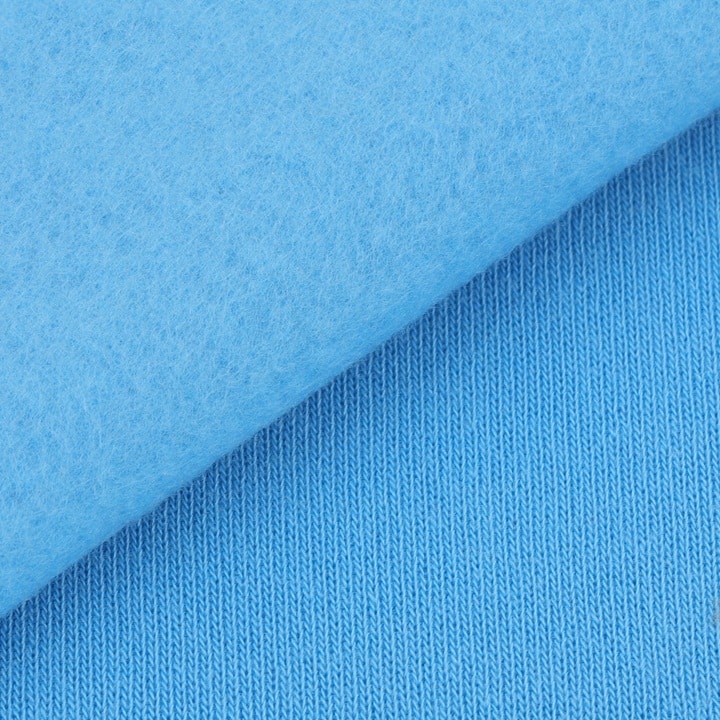
Fleece fabric is usually chosen when a garment needs more warmth, softness and body than regular jersey or French terry. It is widely used for hoodies, sweatshirts, joggers, jackets, pullovers, kidswear, blankets, robes and winter casualwear.
But “fleece” is not one fixed fabric. A cotton sweatshirt fleece for hoodies is very different from a polyester polar fleece for jackets, and both are different again from a thick teddy fleece for blankets or outerwear. So before choosing a fleece quality, the first question should be: what product are you making, and how warm or bulky can it be?
For real development, buyers should look at GSM, composition, brushing effect, surface feel, shrinkage, pilling, shedding, sewing bulk and final garment use together. Choosing fleece only by weight can easily lead to a fabric that feels warm as a swatch but becomes too heavy, too bulky or not stable enough in the finished garment.
What Is Fleece Fabric?
Fleece fabric is a warm knitted fabric category with a brushed, raised or plush surface. Depending on the construction, fleece can be soft on one side, brushed on both sides, or made with a thicker teddy-like pile.
In apparel sourcing, fleece is mainly used when the garment needs comfort and warmth. Lightweight fleece can work for liners or kidswear, midweight fleece is common for hoodies and sweatshirts, and heavier fleece is more suitable for jackets, robes, blankets and cold-weather products.
| Fabric Type | Warm knit fleece fabric |
| Surface Options | Brushed, plush, single-sided, double-sided, polar fleece and teddy fleece |
| Main Strength | Soft warmth, fuller hand feel and cold-weather comfort |
| Common Weight Range | About 160gsm to 600gsm, depending on fleece type and product use |
| Common Fibres | Cotton, polyester, cotton polyester, CVC, heather yarn and blended yarns |
| Common Uses | Hoodies, sweatshirts, jackets, joggers, blankets, robes, kidswear and winter casualwear |
When We Would Suggest Fleece Fabric
We would normally suggest fleece when the buyer wants a warmer garment with a soft inside touch. For hoodies, sweatshirts and joggers, brushed fleece is often a better direction than French terry if the style is for autumn or winter. For jackets, pullovers or blankets, polar fleece or teddy fleece may be more practical.
We would not suggest choosing fleece only because it “sounds warm”. If the garment has many seams, zippers, plackets, thick pockets or rib trims, the fabric bulk needs to be checked carefully. A very heavy fleece can look good in a swatch, but it may become difficult to sew or uncomfortable to wear if the garment design is not suitable.
| Good For | Hoodies, sweatshirts, joggers, pullovers, jackets, kidswear, robes, blankets and winter casualwear. |
| Use With Care | Styles with heavy zippers, thick seams, complicated panels, tight cuffs or fitted silhouettes. |
| Check Before Bulk | Brushing effect, pilling, shedding, shrinkage, sewing bulk, colourfastness and garment fit after washing. |
| Not Always Best For | Warm-weather garments, very fitted styles or designs where a clean lightweight drape is needed. |
Cotton Fleece, Polar Fleece and Teddy Fleece Are Not the Same
One common issue in fleece enquiries is that buyers may use the word “fleece” very broadly. In production, we still need to know which fleece direction they mean.
Cotton or cotton polyester fleece is closer to sweatshirt fabric. Polar fleece is usually polyester-based and focuses more on soft warmth and easy-care winter layers. Teddy fleece has a thick plush surface and is normally better for jackets, blankets, robes and cozy outerwear styles.
| Fleece Type | Fabric Direction | Common Uses |
|---|---|---|
| Cotton Fleece | Sweatshirt-style fleece with a more natural cotton hand feel | Hoodies, sweatshirts, joggers, casual sets and kidswear |
| Cotton Polyester / CVC Fleece | Balanced comfort, stability and commercial practicality | Hoodies, sweatshirts, uniforms, jogger sets and daily casualwear |
| Polar Fleece | Polyester-based fleece with soft warmth and lighter winter function | Jackets, liners, pullovers, kidswear, blankets and outdoor layers |
| Teddy Fleece | Thicker plush surface with a stronger cozy winter look | Jackets, kids outerwear, robes, blankets and plush cold-weather products |
| Heather Fleece | Fleece with mélange or heather appearance | Casual hoodies, sweatshirts, joggers and daily winter basics |
Fleece Fabric vs French Terry
Fleece and French terry are often used for similar garments, especially hoodies, sweatshirts and joggers. The difference is mainly on the reverse side of the fabric.
French terry usually has visible loops on the back. It feels cleaner and less bulky. Fleece is brushed or raised, so it feels warmer and softer inside. For spring or year-round casualwear, French terry may be enough. For colder-weather products, fleece is usually the better starting point.
| Item | Fleece Fabric | French Terry Fabric |
|---|---|---|
| Back Side | Brushed, raised or plush | Looped back, usually not heavily brushed |
| Warmth | Warmer and softer inside | Cleaner and less bulky |
| Best Season | Autumn, winter and colder markets | Spring, autumn and year-round casualwear |
| Common Products | Hoodies, sweatshirts, jackets, joggers, blankets and robes | Hoodies, sweatshirts, joggers, shorts and loungewear |
How to Choose Fleece Fabric GSM
GSM affects warmth, body, drape and sewing bulk. For fleece, heavier does not always mean better. A 600gsm teddy fleece may be excellent for a blanket or outerwear piece, but it can be too bulky for a regular hoodie. A 300gsm cotton polyester fleece may be much more practical for sweatshirt programs.
Before confirming GSM, buyers should think about the garment construction. Hood seams, zipper areas, pockets, cuffs and hems can all become bulky when the fleece is too thick.
| GSM Range | Fabric Direction | Suitable Products |
|---|---|---|
| 160–220gsm | Lightweight fleece with softer drape and easier layering | Kidswear, liners, pullovers, light jackets, soft tops and transitional layers |
| 250–320gsm | Midweight fleece with balanced warmth and body | Hoodies, sweatshirts, joggers, casual sets and daily winter basics |
| 350–450gsm | Heavy fleece with stronger warmth and structure | Heavy hoodies, jackets, robes, seasonal pullovers and cold-weather casualwear |
| 500–600gsm | Extra heavy plush or teddy fleece direction | Teddy jackets, blankets, kids outerwear, robes and cozy winter products |
Choosing Fleece Fabric by Composition
Composition changes hand feel, warmth, shrinkage, stability, care performance and cost. Cotton fleece gives a more natural sweatshirt feel. Polyester fleece is commonly used for polar fleece and teddy fleece. Cotton polyester or CVC fleece is often a practical middle option for commercial casualwear.
| 100% Cotton Fleece | Natural hand feel for sweatshirts, hoodies, joggers and casual knitwear. Shrinkage should be checked before bulk. |
| Cotton Polyester Fleece | Balanced option for hoodies, sweatshirts and commercial casualwear where hand feel, stability and cost all matter. |
| CVC Fleece | Cotton-rich blend with practical stability, suitable for sweatshirt programs, casual sets and repeat production. |
| 100% Polyester Polar Fleece | Useful for jackets, liners, pullovers, kidswear and blankets where soft warmth and easy care are important. |
| 100% Polyester Teddy Fleece | Thick plush direction for jackets, blankets, kids outerwear, robes and cozy winter garments. |
| Heather Fleece | Useful when buyers want a mélange or casual sweatshirt look for hoodies, sweatshirts and joggers. |
Brushing Effect: A Small Detail That Changes the Garment
For sweatshirt fleece, brushing is one of the most important details. The face side may look clean, but the inside brushing decides how warm and soft the garment feels. The brushing level can also affect thickness, pilling, shedding and sewing bulk.
If the buyer has a reference garment, it is better to send it or share clear photos of the inside surface. Words like “soft fleece” or “warm fleece” are too broad. Light brushing and heavy brushing can feel very different in the final garment.
| Brushing Side | Confirm whether the fleece is brushed inside only, outside only or on both sides. |
| Brushing Level | Light brushing feels cleaner, while heavy brushing gives more softness and warmth. |
| Shedding | Check loose fibres, especially for dark colours, heavy brushing and plush fleece qualities. |
| Pilling | Important for hoodies, joggers, blankets and garments with repeated rubbing. |
| Sewing Bulk | Heavy fleece can become bulky at hood seams, pockets, cuffs, hems and zipper areas. |
Towin Fleece Fabric Options
Towin Textile supplies fleece fabric for hoodies, sweatshirts, jackets, joggers, kidswear, blankets, robes and winter casualwear. Below are current fleece directions buyers can use as a starting point for sourcing.
| Fleece Fabric Collection | Main category page for cotton fleece, polar fleece, teddy fleece, heather fleece, brushed fleece and CVC fleece options. |
| 210gsm 100% Polyester Fleece | Heather grey single-side fleece for lightweight hoodies, jackets and layering pieces. |
| 300gsm 50% Cotton 50% Polyester Fleece | Balanced cotton polyester fleece for hoodies, sweatshirts and commercial casualwear programs. |
| 270gsm 100% Cotton Brushed Fleece | Brushed cotton fleece with a clean face and warm inner side for sweatshirts and casual knitwear. |
| 300gsm 100% Polyester Double-Sided Polar Fleece | Soft double-sided polar fleece for outerwear, warm pullovers and cozy winter products. |
| 160gsm 100% Polyester Polar Fleece | Lightweight polar fleece for kidswear, liners, pullovers and casual outer layers. |
| 600gsm 100% Polyester Teddy Fleece | Heavy plush teddy fleece for jackets, kids outerwear, blankets, robes and cold-weather products. |
Production note: Towin’s fleece range covers cotton fleece, polar fleece, teddy fleece, heather fleece, brushed fleece and CVC fleece. Current weight directions cover around 160gsm to 600gsm. For custom colours, MOQ is normally around 300kg per colour, while stock colour or available greige options may support more flexible sampling depending on current availability.
Fleece for Hoodies, Jackets and Blankets
The right fleece depends heavily on the product. A hoodie needs enough body but should not be too bulky at the hood, cuff, hem or pocket. A jacket can accept more structure. A blanket or robe can use thicker plush fleece because fit and seam movement are less strict than apparel.
| Product Type | Suggested Direction | Main Reason |
|---|---|---|
| Hoodies and Sweatshirts | 250–320gsm cotton, CVC or cotton polyester brushed fleece | Balanced warmth, soft inside and practical sewing for casualwear. |
| Joggers and Sweatpants | Midweight cotton polyester or cotton fleece | Comfortable hand feel with enough body for bottoms. |
| Jackets and Pullovers | Polar fleece, heavier fleece or teddy fleece | Stronger warmth and cold-weather appearance. |
| Kidswear | Light to midweight polar fleece or soft brushed fleece | Warm but not too heavy for children’s garments. |
| Blankets and Robes | Polar fleece or teddy fleece | Plush touch and warmth matter more than garment fit. |
Quality Checkpoints Before Bulk Production
Fleece should be checked carefully before bulk because brushing, pile height, fabric weight and shrinkage can all affect the finished garment. For hoodies and jackets, the fabric also needs to be tested in actual sewing areas.
| Hand Feel | Check whether the fleece feels soft enough for the intended product and market level. |
| Warmth and Thickness | Confirm whether the GSM and brushing level match the season and garment purpose. |
| Shrinkage | Important for cotton-rich fleece and sweatshirt fleece before garment cutting. |
| Pilling and Shedding | Important for brushed fleece, polar fleece, teddy fleece and dark colours. |
| Colourfastness | Important for hoodies, kidswear, blankets and garments that will be washed often. |
| Sewing Bulk | Check hood seams, zipper areas, cuffs, hems, pockets and thick joining points. |
| Cutting Direction | For plush fleece and teddy fleece, pile direction should be controlled during cutting. |
Stock Fleece vs Custom Fleece Development
For early sampling, stock fleece is usually the safer starting point. It allows buyers to check hand feel, thickness, brushing, warmth and garment suitability before committing to custom dyeing or special finishing.
Custom fleece is better when the buyer needs a specific colour, weight, brushing level, composition, surface effect or repeat bulk program. Since fleece can change after brushing and finishing, a reference garment or physical fabric swatch is very helpful when the hand feel needs to match closely.
| Option | Best For | Buyer Should Confirm |
|---|---|---|
| Stock Fleece | Fast sampling, small yardage, early garment review and quick fabric selection | Available colour, quantity, width, GSM, brushing effect and repeat availability |
| Custom Fleece | Pantone colours, special brushing, exact composition, repeat bulk programs and matching garment requirements | MOQ, lab dip lead time, brushing effect, bulk lead time, shrinkage and testing requirement |
Fleece Fabric Development Process
A clear development process helps avoid choosing fleece that looks good as a swatch but becomes too bulky, too warm or unstable in garment production. The fabric should always be reviewed together with the garment construction.
| Step 1 | Confirm the target product, such as hoodie, sweatshirt, jogger, jacket, liner, blanket, robe or kidswear. |
| Step 2 | Confirm fleece type, such as cotton fleece, brushed fleece, polar fleece, teddy fleece or CVC fleece. |
| Step 3 | Confirm composition, GSM, width, brushing direction, hand feel and colour requirement. |
| Step 4 | Review stock swatches or arrange lab dip and custom development if required. |
| Step 5 | Test fabric in actual garment areas, especially seams, hood, zipper, cuffs, pockets and hems. |
| Step 6 | Confirm bulk route, including colour approval, brushing standard, quantity, testing requirement and delivery schedule. |
Fleece Fabric Buying Checklist
Before asking for a fleece quote, buyers should give clear product information. A request that only says “fleece fabric” is too broad because fleece can mean anything from lightweight polar fleece to very heavy teddy fleece.
- Target product: hoodie, sweatshirt, jogger, jacket, liner, blanket, robe or kidswear
- Preferred fleece type: cotton fleece, brushed fleece, polar fleece, teddy fleece, CVC fleece or heather fleece
- Preferred composition: cotton, polyester, cotton polyester or CVC blend
- Target GSM and fabric width
- Required brushing effect: single-sided, double-sided, light brushed, heavy brushed, plush or teddy
- Stock colour acceptable or custom Pantone colour required
- Estimated quantity per colour
- Special garment details such as zipper, hood, pockets, cuffs, rib trim or lining
- Testing requirements, such as shrinkage, pilling, shedding or colourfastness
- Sample deadline and expected bulk delivery date
Frequently Asked Questions About Fleece Fabric
What is fleece fabric mainly used for?
Fleece fabric is mainly used for hoodies, sweatshirts, joggers, jackets, pullovers, kidswear, blankets, robes and winter casualwear.
What is the difference between fleece and French terry?
French terry usually has a looped reverse side, while fleece is brushed or raised to create a warmer and softer surface. Fleece is usually more suitable for colder-weather garments.
What GSM fleece is suitable for hoodies?
Many hoodie programs use fleece around 250gsm to 320gsm, depending on warmth, garment shape and target season. Heavier fleece can be used for more structured or winter styles, but sewing bulk should be checked.
Is polar fleece suitable for jackets?
Yes. Polar fleece is often used for jackets, liners, pullovers, kidswear and winter layers because it gives soft warmth with practical easy-care properties.
Is teddy fleece too heavy for hoodies?
It depends on the weight and design. Heavy teddy fleece is usually better for jackets, robes, blankets and outerwear-style garments. For regular hoodies, midweight sweatshirt fleece is usually easier to sew and wear.
Can Towin supply custom fleece fabric?
Yes. Towin Textile can support fleece fabric sourcing, swatches, custom colours and bulk production based on composition, GSM, brushing effect, surface direction, colour and final product use.
Source Fleece Fabric from Towin Textile
Towin Textile supplies fleece fabric for hoodies, sweatshirts, jackets, joggers, kidswear, blankets, robes and winter casual apparel programs.
Send us your target product, composition, GSM, brushing effect, colour, hand feel and estimated quantity. We can help check suitable fleece options for sampling or bulk production.
View our Fleece Fabric collection or contact us with your target garment, colour and estimated order quantity.
Related Articles
If you are comparing fleece with other knitted fabrics, these related guides may also help:
French Terry Fabric for Hoodies, Joggers and Sweatshirts
Useful when comparing fleece with loop-back sweatshirt fabric for hoodies, joggers and casual sets.
Waffle Knit Fabric: Texture, GSM and Sourcing Guide
Useful when comparing warm fleece with textured waffle fabric for loungewear, thermal tops and casual layers.
Jersey Fabric: Types, Composition and Applications
Useful when comparing fleece with lighter jersey fabrics for T-shirts, tops and daily knitwear.