
Velour Knit Fabric: Plush Texture for Tracksuits and Loungewear
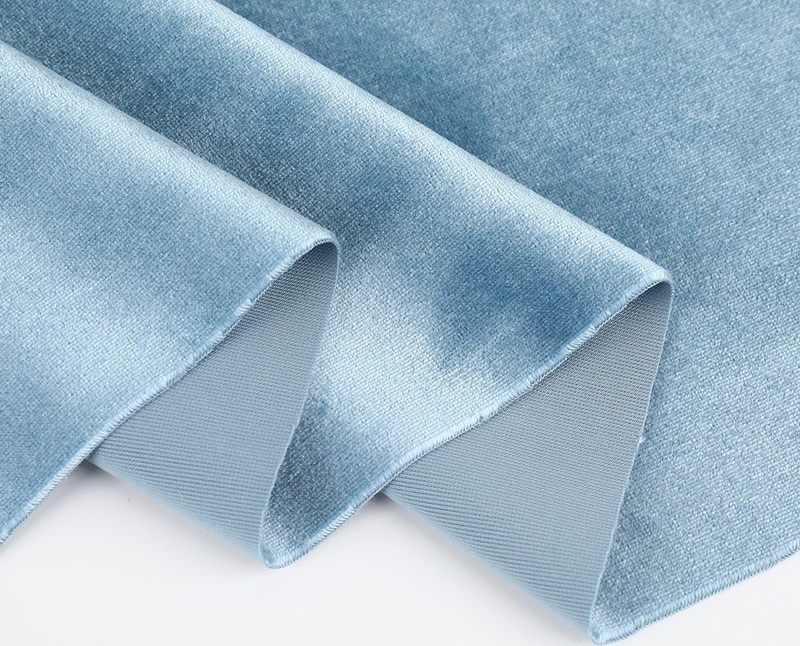
Velour knit fabric is a knitted pile fabric with a soft plush surface, subtle shine and comfortable hand feel. It is widely used for tracksuits, hoodies, joggers, loungewear, dresses, fashion tops and coordinated apparel sets.
For apparel brands and garment manufacturers, choosing the right velour fabric is not only about softness. Weight, composition, stretch level, pile direction, fabric width and production handling all affect how the final garment looks, fits and performs. A lightweight velour may work well for fitted tops and dresses, while a heavier velour can give hoodies, jackets and pants a more structured appearance.
At Towin Textile, our current velour fabric range covers lightweight decorative velour, stretch velour, cotton blend velour and heavyweight polyester spandex velour options from around 180gsm to 400gsm. This guide explains how to choose velour knit fabric for different garment applications and what buyers should check before sampling or bulk production.
What Is Velour Knit Fabric?
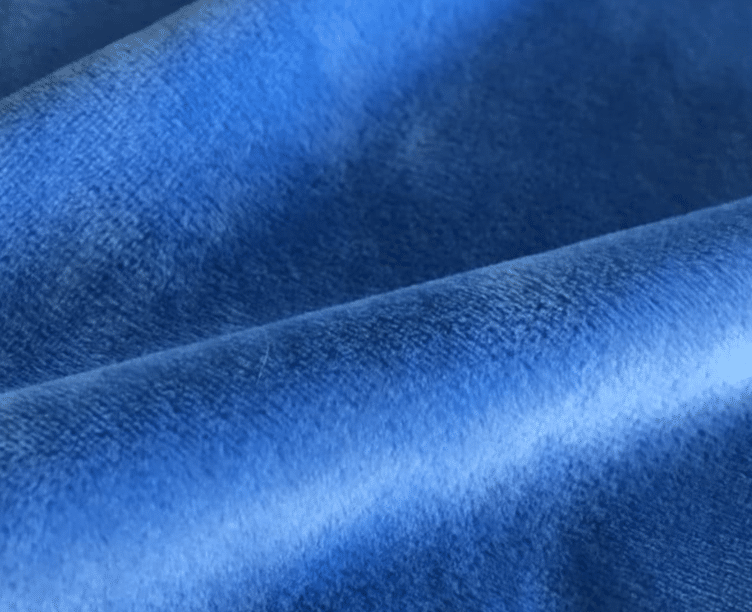
Velour knit fabric is a knitted fabric with a raised pile on the face side. The pile creates a soft, plush texture and a light-reflective surface. Compared with flat jersey or French terry, velour gives garments a richer visual effect and a more tactile hand feel.
Velour is often compared with velvet because both fabrics have a soft pile surface. In apparel sourcing, however, velour usually refers to a knitted pile fabric, while velvet is more often associated with woven pile constructions. This distinction matters because knitted velour generally offers more flexibility and is easier to apply in casualwear, sports-inspired fashion and stretch garments.
| Fabric Name | Velour Knit Fabric |
| Surface | Soft plush pile with directional shine |
| Construction | Knitted base with raised pile surface |
| Common Compositions | Polyester, polyester spandex, cotton blend and cotton polyester |
| Common Weight Range | Lightweight fashion velour to heavyweight tracksuit velour |
| Used In | Tracksuits, hoodies, joggers, dresses, loungewear and fashion sets |
Why Apparel Brands Use Velour Fabric
Velour is selected when a garment needs more surface interest than a plain knit fabric. The plush pile gives depth to the colour, especially in darker shades, and can make simple silhouettes look more developed. This is why velour is often used for fashion tracksuits, zip jackets, lounge sets and seasonal statement pieces.
The fabric also offers a softer touch than many smooth-surface synthetics. When spandex is added, velour can provide additional stretch for fitted or body-following garments. For looser garments, a more stable velour quality can also be used when the design requires more body and less cling.
Choosing Velour Fabric by Composition
Different fibre blends create different results. The best choice depends on the target garment, required stretch, price level, care expectations and hand feel.
Polyester Spandex Velour
Polyester spandex velour is commonly used for fashion tracksuits, hoodies, joggers, dresses and fitted garments. Polyester supports colour development, durability and easy care, while spandex adds flexibility. Exact stretch percentage and recovery should always be confirmed from the actual sample or bulk lot.
Cotton Blend Velour
Cotton blend velour has a softer, more natural hand feel and is suitable for loungewear, casual sets, robes and comfort-focused garments. Cotton-rich velour can feel warmer and softer against the skin, while polyester in the blend can improve stability and practical daily wear.
Decorative or Lurex Velour
Decorative velour, including stripe or lurex-effect velour, is better suited for fashion tops, fitted dresses, partywear and seasonal statement pieces. These qualities should be reviewed carefully for surface effect, stretch and cutting direction before sampling.
How to Choose the Right GSM for Velour Garments
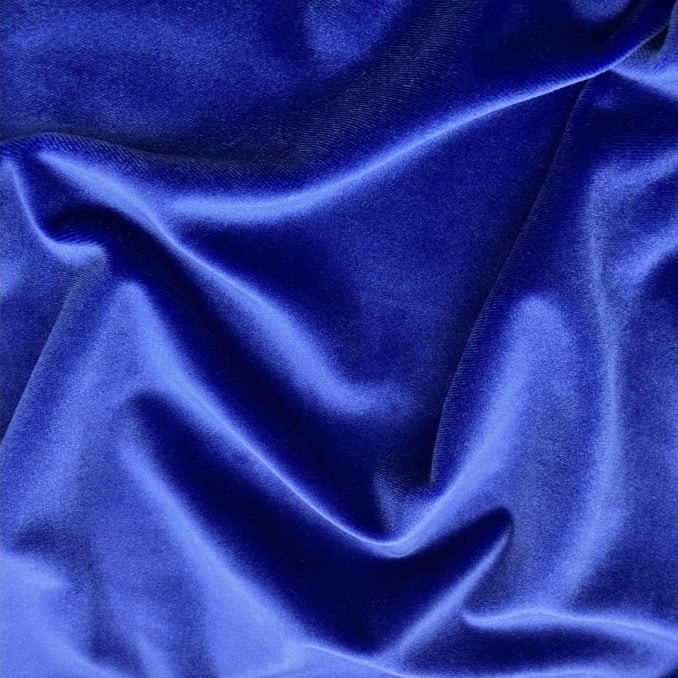
Fabric weight is one of the most important factors in velour development. It affects drape, body, warmth, opacity and garment structure. The same design can look very different when made in 260gsm velour versus 400gsm velour.
| Velour Weight | Typical Use | Garment Effect |
|---|---|---|
| 180–230gsm | Fashion tops, fitted dresses, bodycon styles and decorative panels | Lightweight, flexible and more suitable for close-fitting silhouettes |
| 260–280gsm | Tracksuits, loungewear, dresses, hoodies, joggers and fashion sets | Balanced weight with useful body, drape and comfort |
| 350gsm | Premium tracksuits, zip jackets, wide-leg pants, dresses and elevated casualwear | Heavier hand feel with stronger structure and denser pile expression |
| 400gsm | Heavyweight hoodies, jackets, pants and structured matching sets | Substantial body, fuller hand feel and more premium garment presence |
For garment development, GSM should not be selected only by number. Buyers should also check fabric width, stretch direction, pile density, drape and how the fabric behaves after relaxation. A 280gsm velour with a soft drape may fit one design better than a heavier 350gsm option, depending on the target silhouette.
Towin Velour Fabric Options
Below are examples from Towin Textile’s current velour fabric range. These are provided as starting points for sourcing and development. Final availability, colour options, MOQ and lead time should be confirmed before sampling or bulk production.
| 280gsm Polyester Spandex Velour Fabric | 94% Polyester / 6% Spandex, 280gsm, 185cm width. Suitable for tracksuits, loungewear, dresses, hoodies and coordinated sets. |
| 350gsm Heavyweight Velour Fabric | 92% Polyester / 8% Spandex, 350gsm, 160cm width. Suitable for premium tracksuits, jackets, pants, dresses and elevated casualwear. |
| 400gsm Extra Heavyweight Velour Fabric | 92% Polyester / 8% Spandex, 400gsm, 160cm width. Suitable for heavyweight hoodies, jackets, pants and structured fashion sets. |
| 260gsm Stretch Velour Fabric | 90% Polyester / 10% Spandex, 260gsm, 152cm width. Suitable for women’s fashion sets, fitted dresses, cropped jackets and loungewear. |
| 270gsm Cotton Blend Velour Fabric | 80% Cotton / 20% Polyester, 270gsm, 165cm width. Suitable for loungewear, casual sets, hoodies, robes and tracksuits. |
Production note: Towin currently lists common velour options including cotton blend velour, stretch velour, ribbed velour and Korean velour, with a general weight range from 180gsm to 400gsm. The category-level MOQ is listed as 300kg, and the estimated lead time is 25–35 days. These details should still be reconfirmed according to the selected quality, colour, order quantity and current production schedule.
You can also view our full Velour Fabric collection for more stretch, cotton blend and heavyweight options.
Best Garment Applications for Velour Knit Fabric
Tracksuits and Matching Sets
Velour is a strong choice for tracksuits because it combines softness, stretch and a richer surface appearance. For relaxed tracksuits and loungewear sets, 280gsm to 350gsm velour is often a practical starting point. For more structured hoodies and pants, 350gsm or 400gsm velour can provide a fuller hand feel and stronger garment presence.
Hoodies and Joggers
Compared with regular fleece or French terry, velour gives hoodies and joggers a more dressed-up casual look. The fabric should have enough body to support the shape of the garment, especially for oversized hoodies, zip jackets and wide-leg pants.
Dresses and Fashion Tops
For fitted dresses, cropped tops and body-following fashion pieces, stretch velour is usually more suitable than a very heavy stable quality. A lighter or midweight velour can follow the body more easily while still giving a soft plush surface and visible shine.
Loungewear and Homewear
Velour can be used for relaxed lounge sets, robes and comfort garments. Cotton blend velour is a good option when a softer and more natural touch is required, while polyester spandex velour works better when the design needs more stretch and colour depth.
Important Production Notes for Velour Garments
Velour needs more careful handling than flat knit fabrics. The pile surface can reflect light differently depending on direction, pressure and fabric angle. This can affect shade appearance across garment panels.
1. Control the Pile Direction
All garment panels should normally be cut in the same pile direction. If one panel is cut upward and another is cut downward, the finished garment may show visible shade differences even when the fabric is from the same dye lot. This is especially important for tracksuits, hoodies, jackets, dresses and matching sets.
2. Relax the Fabric Before Cutting
Stretch velour should be relaxed before cutting so that the fabric can settle from rolling tension. This helps reduce distortion and supports more consistent measurements after sewing.
3. Test Sewing Tension and Needle Choice
Stretch velour should not be pulled too strongly during sewing. Excessive tension can create wavy seams or uneven garment shape. Needle type, thread, seam construction and machine tension should be tested on the actual fabric before bulk production.
4. Avoid Heavy Pressing on the Pile Face
Direct high heat or heavy pressure may flatten the pile surface. If pressing is required, it should be tested first, and the pile face should be protected. The final care label should be confirmed based on the selected fabric and garment construction.
5. Check Colour Under Consistent Lighting
Because the pile surface reflects light, velour may look different under different lighting conditions or viewing angles. For matching tops and bottoms, colour should be checked together and in the same pile direction before final approval.
Velour Fabric Buying Checklist
Before requesting a quotation or sample, buyers should prepare the following information. This helps the supplier recommend a more suitable quality and avoid unnecessary sampling rounds.
- Target garment type: tracksuit, hoodie, dress, jogger, jacket, loungewear set or other style
- Preferred fabric weight or target hand feel
- Required composition, such as polyester spandex or cotton blend
- Stretch requirement and whether the garment is fitted or relaxed
- Target colour, Pantone reference or physical colour standard
- Estimated order quantity per colour
- Required sample type: A4 swatch, sample yardage or garment sample fabric
- Any testing or certification requirements
- Target delivery date and final garment market
Frequently Asked Questions About Velour Knit Fabric
What GSM velour fabric is suitable for tracksuits?
For many fashion tracksuits and loungewear sets, 280gsm to 350gsm velour is a practical starting range. 280gsm gives a balanced hand feel and drape, while 350gsm provides more body and a denser plush surface. For structured hoodies, jackets and heavyweight pants, 400gsm velour may be more suitable.
Is polyester spandex velour suitable for loungewear?
Yes. Polyester spandex velour can be used for loungewear when the design needs softness, stretch and a richer surface appearance. The exact quality should be selected based on the target garment weight, fit and hand feel.
What is the difference between 280gsm and 400gsm velour?
280gsm velour is more versatile for tracksuits, dresses, hoodies and relaxed loungewear. 400gsm velour has a heavier body and more substantial hand feel, making it better for structured hoodies, jackets, pants and premium matching sets.
Does velour fabric need to be cut in one direction?
Yes. Velour has a visible pile direction. For consistent shade and shine, garment panels should normally be cut in the same direction unless the design intentionally uses contrast.
Can velour fabric be developed in custom colours?
Custom colour development is available depending on composition, quantity and production requirements. Buyers should provide a Pantone reference or physical colour standard for lab dip checking.
Can I get a velour fabric swatch before bulk production?
Yes. Towin Textile can support fabric swatches and sample yardage according to the selected quality and current availability. For custom colours, lab dip approval is normally required before sample yardage or bulk production.
Source Velour Knit Fabric from Towin Textile
Towin Textile supplies knitted fabrics for apparel brands, importers and garment manufacturers, including velour, French terry, jersey, rib, pique, jacquard, waffle, fleece and other casualwear fabrics.
For velour fabric development, we can help review your target garment, required GSM, composition, stretch level, colour and quantity, then recommend suitable fabric options for sampling or bulk production.
View our Velour Fabric collection or contact us with your target garment, colour and estimated order quantity.
Related Articles
If you are comparing velour with other knit fabrics for apparel development, these related guides may also help:
Everything You Need to Know About French Terry Fabric
Useful for comparing hoodie, sweatshirt and jogger fabric options.
Rib Knit Fabric: Stretch, Structure and Garment Uses
Useful when selecting cuffs, waistbands, fitted tops or stretch bodywear.
Jacquard Knit Fabric: Patterns Built Into the Cloth
Useful for buyers looking for textured or pattern-driven knit fabrics.