
Rib Knit Fabric: Stretch, Structure and Garment Uses
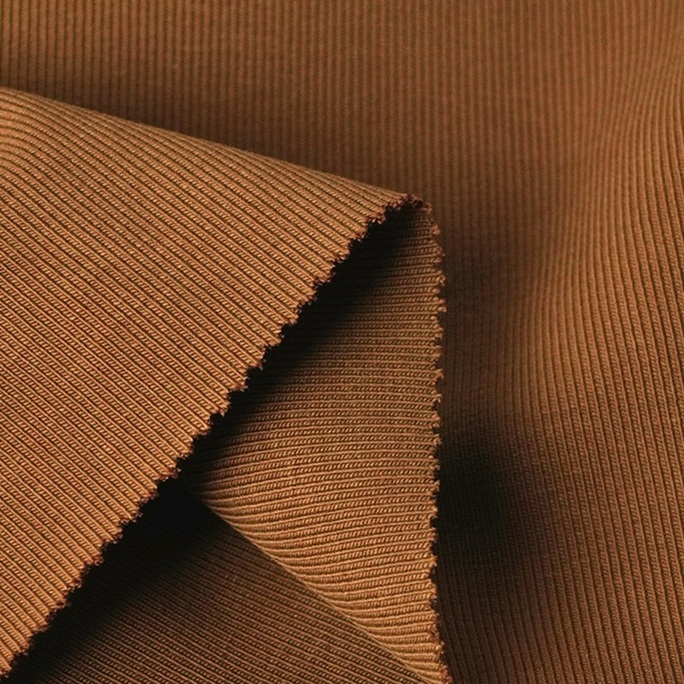
Rib knit fabric is a knitted fabric with clear vertical ribs, strong widthwise stretch and good shape recovery. It is widely used for collars, cuffs, waistbands, hems, fitted tops, tank tops, dresses, babywear, leggings, loungewear and everyday knitwear.
In real garment development, rib fabric is often the fabric that decides whether a garment feels comfortable, fits properly and keeps its shape after wearing. A neckband that is too loose, a cuff that does not recover, or a body rib that grows after washing can all change the final garment quality.
This guide explains how to choose rib knit fabric from a sourcing and production point of view, including rib structures, GSM, composition, stretch recovery, trim use, main body use, MOQ logic and the details buyers should confirm before sampling or bulk production.
What Is Rib Knit Fabric?
Rib knit fabric is made by alternating knit stitches and purl stitches in vertical rows. This creates the raised and recessed rib texture on the fabric surface. Because of this structure, rib fabric usually stretches more in the width direction than plain single jersey.
The key advantage of rib fabric is not just stretch, but recovery. A good rib should stretch comfortably and return close to its original shape. This is why rib is commonly used for garment parts that need elasticity, such as collars, cuffs, hems and waistbands.
| Fabric Type | Rib knit fabric |
| Structure | Alternating knit and purl stitches in vertical ribs |
| Main Strength | Widthwise stretch and shape recovery |
| Common Structures | 1×1 rib, 2×2 rib, wide rib, French rib and drop needle rib |
| Common Fibres | Cotton, cotton spandex, cotton polyester, bamboo, viscose, lyocell, wool, polyester and nylon blends |
| Common Uses | Neckbands, cuffs, hems, waistbands, fitted tops, dresses, tanks, leggings and loungewear |
Why Rib Structure Matters
Rib fabric is not one fixed fabric. A 1×1 cotton spandex rib and a 2×2 heavyweight rib can behave very differently, even if both are called “rib”. The rib structure affects stretch, recovery, surface look, garment fit and sewing performance.
For trims, buyers usually need rib with good recovery and enough firmness. For main body garments, buyers may care more about surface texture, hand feel, opacity and whether the fabric grows during wear. This is why the end use should be confirmed before choosing rib quality.
| Rib Type | Structure Direction | Common Use |
|---|---|---|
| 1×1 Rib | One knit stitch and one purl stitch alternating | Neckbands, cuffs, babywear, fitted tops and basic rib garments |
| 2×2 Rib | Two knit stitches and two purl stitches alternating | Tops, tanks, dresses, fitted knitwear and more visible rib texture |
| Wide Rib | Wider vertical ribs with stronger surface lines | Fashion tops, dresses, bodycon styles and statement knitwear |
| French Rib | A rib-related structure with a fuller knitted hand feel | Sweatshirts, hoodies, structured tops and casual knitwear |
| Drop Needle Rib | Rib effect with needle-out texture or open vertical details | Fashion tops, dresses, lightweight layers and decorative knitwear |
Rib Fabric for Trims vs Main Garments
One common mistake is using the same rib logic for both trims and full garments. The requirement is different.
When rib is used for cuffs, hems, neckbands or waistbands, recovery is the main concern. The rib needs to hold the garment opening properly without becoming loose after wear. When rib is used as the main body fabric, buyers also need to check drape, opacity, vertical rib appearance and whether the fabric grows after washing or wearing.
| Use | Main Requirement | Buyer Should Check |
|---|---|---|
| Collars and Neckbands | Recovery, firmness and clean sewing | Stretch ratio, neck opening size, recovery after washing and seam handling |
| Cuffs and Hems | Elasticity and shape retention | Whether the rib becomes loose after wearing or washing |
| Waistbands | Support and comfort | Stretch recovery, waistband height, drawcord or elastic construction |
| Main Body Garments | Surface look, opacity, drape and fit | Fabric growth, recovery, vertical rib consistency and garment measurements |
How to Choose Rib Fabric GSM
GSM affects rib fabric thickness, body, stretch and garment structure. However, GSM alone does not tell the full story. A rib fabric with spandex may feel more compact and supportive than a non-spandex rib at a similar weight.
For fitted tops and dresses, buyers usually need enough body so the garment does not look too thin after stretching. For cuffs and neckbands, the rib must be firm enough to recover but not too thick to sew neatly.
| GSM Range | Fabric Direction | Suitable Garments |
|---|---|---|
| 180–220gsm | Light to midweight rib with soft stretch | Babywear, lightweight tops, casual basics, neckbands and soft trims |
| 230–280gsm | Medium rib with more body and better coverage | Fitted tops, tanks, dresses, loungewear, cuffs and waistbands |
| 300–380gsm | Heavyweight rib with stronger structure | Bodycon dresses, heavy fitted tops, structured knitwear and premium rib garments |
Choosing Rib Fabric by Composition
Composition has a strong influence on rib fabric performance. Cotton gives a natural touch, polyester can improve stability, bamboo and viscose can create a softer drape, lyocell and wool blends can create a smoother premium hand feel, and spandex improves stretch recovery. The right blend depends on whether the rib is used as a trim or as the main garment fabric.
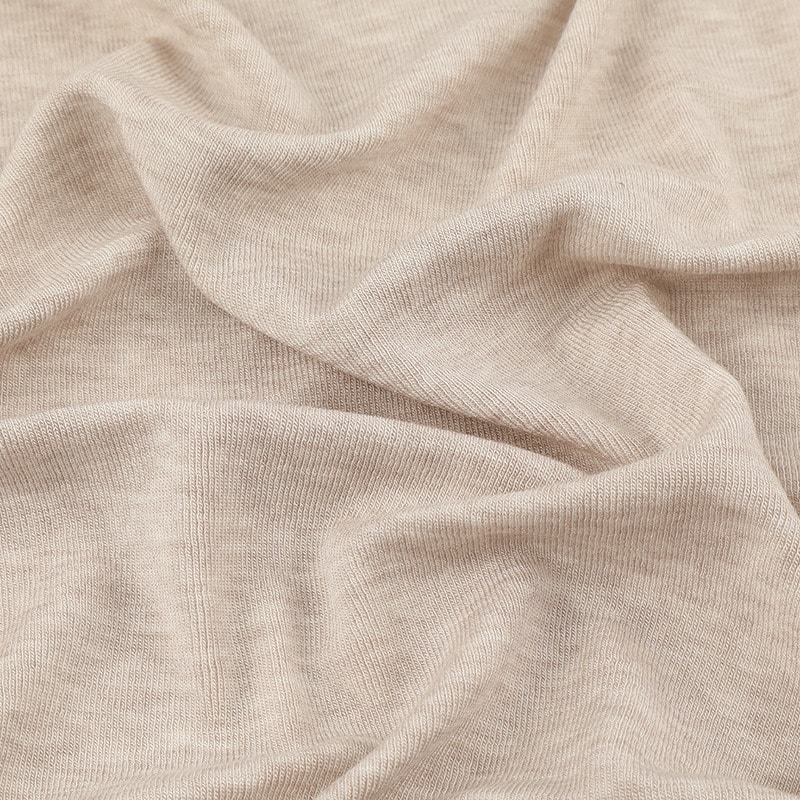
220gsm 77% Lyocell / 19% Wool / 4% Spandex rib knit fabric with a soft hand feel and comfortable stretch for premium tops, base layers and close-to-skin garments.
| 100% Cotton Rib | Natural cotton hand feel, suitable for casual tops, babywear, sweatshirts and some trim applications. Recovery should be checked carefully if used for cuffs or waistbands. |
| Cotton Spandex Rib | Better stretch and recovery, suitable for fitted tops, dresses, cuffs, hems, waistbands and close-fitting garments. |
| Cotton Polyester Rib | Practical choice for daily knitwear, tops and commercial programs where stability and cost balance matter. |
| Lyocell Wool Spandex Rib | Smoother hand feel with light warmth and comfortable stretch, suitable for premium tops, base layers and close-to-skin knitwear. |
| Bamboo Cotton Spandex Rib | Softer hand feel with comfort stretch, suitable for babywear, loungewear, soft tops and close-to-skin apparel. |
| Viscose or Modal Blend Rib | Smoother drape and softer touch, suitable for fashion tops, dresses and premium lounge styles. |
| Polyester Spandex or Nylon Spandex Rib | Useful for active casualwear, leggings, fitted tops and stretch garments where synthetic performance is required. |
Towin Rib Fabric Options
Towin Textile supplies rib knit fabric for trims, tops, dresses, fitted knitwear, leggings, loungewear, kidswear and daily casual apparel. Below are some current rib directions buyers can use as a starting point for development.
| Rib Fabric Collection | Main category page for 1×1 rib, 2×2 rib, French rib, drop needle rib and stretch rib options. |
| 380gsm Cotton Spandex 1×1 Rib | 93% Cotton / 7% Spandex, heavyweight stretch rib for fitted fashion styles, dresses and structured knitwear. |
| 220gsm Lyocell Wool Spandex Rib | 77% Lyocell / 19% Wool / 4% Spandex, suitable for premium tops, base layers, soft fitted garments and close-to-skin knitwear requiring a smoother hand feel with light warmth. |
| 200gsm Bamboo Cotton Spandex 1×1 Rib | 66% Bamboo / 26% Cotton / 8% Spandex, soft stretch rib for babywear and comfortable close-to-skin basics. |
| 195gsm Cotton Polyester Spandex 1×1 Rib | 74% Cotton / 20% Polyester / 6% Spandex, soft and supportive rib for tops, fitted knitwear and everyday casual basics. |
| 210gsm Cotton Polyester 1×1 Rib | 65% Cotton / 35% Polyester, practical rib for tops, tanks, fitted knitwear and casual basics. |
| 320gsm 100% Cotton French Rib | Heavyweight cotton French rib for sweatshirts, hoodies and structured casual knit tops. |
| 250gsm Cotton Polyester Spandex 2×2 Rib | 79% Cotton / 17% Polyester / 4% Spandex, structured 2×2 rib for tops, tanks, fitted knitwear and modern casual garments. |
Production note: Towin’s rib fabric range includes 1×1 rib, 2×2 rib, French rib and drop needle rib. Weight options currently cover around 195gsm to 380gsm. For custom colours, MOQ is normally around 300kg per colour, and bulk lead time is usually confirmed around 25–35 days depending on composition, dyeing route and order details.
Stretch Recovery: The Main Point Buyers Should Not Ignore
For rib fabric, stretch recovery is often more important than stretch itself. A rib that stretches easily but does not return well can cause loose neckbands, stretched cuffs, baggy hems or poor garment shape after washing.
Before bulk production, buyers should test the rib in the actual garment position. A rib used for a tight cuff may need stronger recovery than a rib used for a relaxed tank top. A rib used for a bodycon dress also needs to be checked after wearing and washing, because fabric growth can affect the fit.
| Stretch Direction | Most rib fabrics stretch strongly in the width direction. Garment patterns should be arranged with the correct stretch direction. |
| Recovery | The fabric should return close to its original size after stretching, especially for cuffs, hems and waistbands. |
| Growth After Wear | Main body rib garments should be checked for fabric growth after wearing and washing. |
| Spandex Content | Adding spandex usually improves recovery, but the right percentage depends on garment use and fabric structure. |
Quality Checkpoints Before Bulk Production
Rib fabric should be checked carefully before bulk cutting because its stretch and recovery can directly affect garment measurement. This is especially important for fitted styles and trim areas.
| Stretch and Recovery | Check how far the fabric stretches and how well it returns after release. |
| Width Stability | Rib can change width after relaxation, washing or finishing. This affects marker planning and garment measurements. |
| Shrinkage | Important for cotton-rich rib, bamboo rib, viscose rib and other cellulose fibre blends. |
| Rib Line Consistency | Vertical rib lines should be even enough for the intended garment appearance. |
| Sewing Bulk | Heavy rib may create bulk at seams, cuffs, hems and neckbands. |
| Colour Matching | When rib is used as trim with another fabric, colour matching should be checked after dyeing and finishing. |
Stock Rib vs Custom Rib Development
For sampling and small development programs, stock rib is usually the faster and more practical option. It helps buyers check hand feel, structure, stretch and garment performance without waiting for a full custom dyeing process.
Custom rib is more suitable when the buyer needs a specific composition, special rib structure, exact Pantone colour, matching trim for a main fabric, or repeat bulk production. Custom development normally requires higher MOQ because yarn, knitting, dyeing and finishing all need to be arranged specifically for the order.
| Option | Best For | Buyer Should Confirm |
|---|---|---|
| Stock Rib | Fast sampling, small yardage, trim testing and early garment development | Available colour, quantity, width, GSM, structure and repeat availability |
| Custom Rib | Pantone colours, matching trims, special structures and repeat bulk production | MOQ, lab dip lead time, bulk lead time, shrinkage, recovery and colour matching requirement |
Rib Fabric Development Process
For garment development, rib should be reviewed together with the garment construction. A good rib for a body top may not be firm enough for a waistband, and a firm cuff rib may be too heavy for a fitted dress.
| Step 1 | Confirm whether the rib is for trims or main body fabric. |
| Step 2 | Confirm target structure, such as 1×1 rib, 2×2 rib, wide rib, French rib or drop needle rib. |
| Step 3 | Confirm target composition, GSM, width, stretch level and hand feel. |
| Step 4 | Review stock options or arrange lab dip and custom development if required. |
| Step 5 | Test stretch, recovery, shrinkage and garment fit before bulk approval. |
Rib Fabric Buying Checklist
Before requesting a quote, buyers should provide clear garment information. A request that only says “rib fabric” is usually not enough, because rib can be used in many different ways.
- Is the rib for main body fabric or trims?
- Target garment: top, dress, tank, legging, babywear, hoodie trim, waistband, cuff or neckband
- Preferred rib structure: 1×1, 2×2, wide rib, French rib or drop needle rib
- Target GSM and width
- Composition requirement and whether spandex is needed
- Required stretch and recovery level
- Stock colour acceptable or custom Pantone required
- Estimated quantity per colour
- Any colour matching requirement with main fabric
- Testing requirements, such as shrinkage, recovery or colourfastness
- Sample deadline and expected bulk delivery date
Frequently Asked Questions About Rib Knit Fabric
What is rib knit fabric mainly used for?
Rib knit fabric is used for cuffs, collars, neckbands, hems, waistbands, fitted tops, dresses, tanks, babywear, leggings and loungewear. The best use depends on rib structure, GSM, composition and recovery.
What is the difference between 1×1 rib and 2×2 rib?
1×1 rib has one knit stitch and one purl stitch alternating, giving a finer rib texture. 2×2 rib has two knit stitches and two purl stitches alternating, giving a more visible rib line and a stronger surface texture.
Is rib fabric suitable for cuffs and neckbands?
Yes. Rib is commonly used for cuffs and neckbands because it stretches and recovers better than plain jersey. The correct rib quality should be chosen according to garment opening size, thickness and recovery requirement.
Can rib fabric be used as the main body fabric?
Yes. Rib can be used for fitted tops, dresses, tanks, leggings, babywear and loungewear. For body garments, buyers should check opacity, recovery, growth after wear and garment fit after washing.
Does rib fabric need spandex?
Not always. Some cotton rib can work for relaxed garments or trims, but spandex is helpful when stronger stretch recovery is required, especially for fitted garments, cuffs, waistbands and bodycon styles.
Can Towin supply custom rib fabric?
Yes. Towin Textile can support rib fabric sourcing, swatches, custom colours and bulk production based on target structure, composition, GSM, width, quantity and garment application.
Source Rib Knit Fabric from Towin Textile
Towin Textile supplies rib knit fabric for trims, tops, dresses, fitted knitwear, babywear, leggings, loungewear and casual apparel programs.
We can help review your target rib structure, composition, GSM, width, colour, stretch recovery and garment use, then recommend suitable rib fabric options for sampling or bulk production.
View our Rib Fabric collection or contact us with your target garment, colour and estimated order quantity.
Related Articles
If you are comparing rib with other knitted fabrics, these related guides may also help:
Jersey Fabric: Types, Composition and Applications
Useful when comparing rib with single jersey for T-shirts, tops, dresses and everyday basics.
French Terry Fabric for Hoodies, Joggers and Sweatshirts
Useful when choosing matching rib trims for hoodies, sweatshirts, joggers and casual sets.
Velour Knit Fabric: Plush Texture for Tracksuits and Loungewear
Useful when comparing rib trims or fitted rib garments with plush velour fashion and loungewear fabrics.