
What Is Pique Fabric? A Practical Guide for Polo Shirts and Sportswear
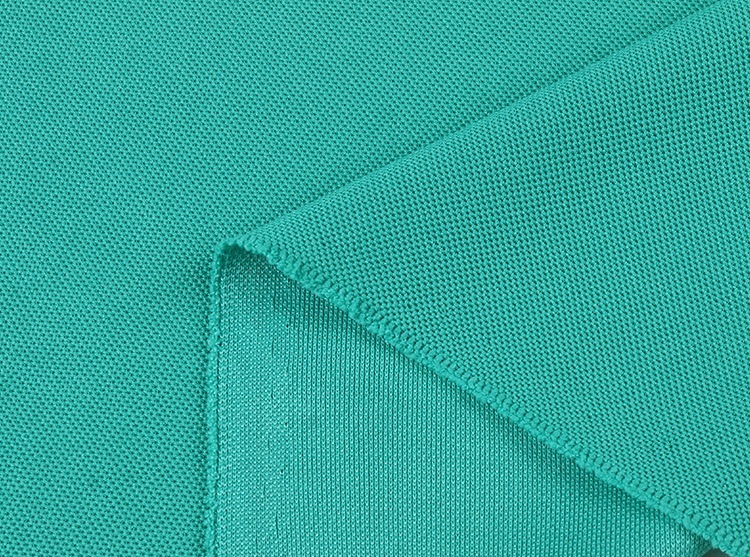
Pique fabric is a textured knit fabric widely used for polo shirts, school uniforms, golf shirts, tennis dresses, sportswear and smart casual tops. Compared with plain jersey, pique has a more defined surface texture and a cleaner polo-style appearance, which is why many buyers choose it for garments that need a slightly more structured look.
For sourcing, pique fabric should not be judged only by GSM or composition. The surface texture, yarn count, fabric width, stretch level, shrinkage, colour route and final garment use all matter. A school polo, a golf top and a fitted polo dress may all use pique, but they usually need different fabric directions.
This guide explains how to choose pique fabric from a practical B2B development point of view, including structure, GSM, composition, polo shirt use, stretch options, quality checkpoints, MOQ and the information buyers should confirm before requesting swatches or quotation.
What Is Pique Fabric?
Pique fabric is a knitted fabric with a textured surface, usually showing small raised patterns, waffle-like texture or honeycomb-like structure depending on the knitting method. It is most commonly associated with polo shirts, but it is also used for uniforms, casual tops, dresses and sports-inspired garments.
The main difference between pique and plain jersey is surface definition. Jersey is usually smoother and flatter, while pique has a more structured texture. This texture gives polo shirts and uniforms a neater look and can help the garment feel less flat than a basic T-shirt fabric.
| Fabric Type | Textured knit pique fabric |
| Surface Look | Raised texture, honeycomb effect or small structured knit pattern |
| Main Strength | Cleaner polo look with more surface definition than plain jersey |
| Common Weights | Usually around 165gsm to 230gsm for polo shirts, sportswear and casual tops |
| Common Fibres | Cotton, cotton polyester, cotton spandex, polyester, nylon spandex and blended yarns |
| Common Uses | Polo shirts, school uniforms, golf shirts, tennis dresses, casual tops and sportswear |
Why Pique Fabric Works Well for Polo Shirts
Pique is a practical choice for polo shirts because the fabric surface looks more finished than plain jersey. It gives the garment a classic polo identity without needing heavy construction. For brands making school polos, work uniforms or smart casual tops, this texture is often part of the expected look.
Another reason buyers choose pique is that it can support different price levels and product directions. A cotton pique works well for a more natural hand feel, a cotton polyester pique is practical for repeat uniform programs, and a stretch pique can be used when the garment needs easier movement.
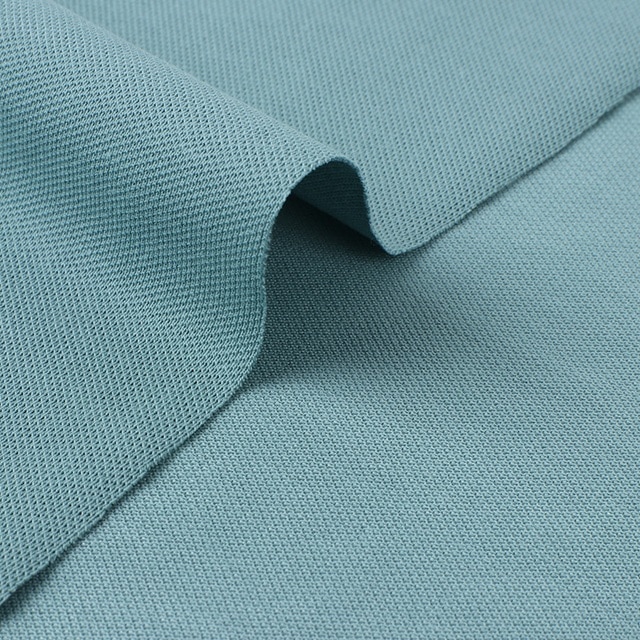
40s 200gsm 70% Cotton / 27% Polyester / 3% Spandex pique fabric with a clean textured surface for polo shirts, casual tops and uniform programs.
| Classic Polo Look | The textured surface gives polo shirts a cleaner and more structured appearance than plain jersey. |
| Better Surface Definition | The small pique texture gives the fabric more visual interest without needing a printed or jacquard pattern. |
| Practical for Uniforms | Cotton polyester and polyester pique options are often used for school, workwear and repeat polo programs. |
| Stretch Options Available | Spandex pique can be used for fitted polos, polo dresses, golf tops and active casualwear. |
Pique Fabric vs Jersey Fabric
Many buyers compare pique with jersey because both are knit fabrics used for tops. The best choice depends on the garment positioning. Jersey is usually softer, smoother and more suitable for T-shirts, while pique gives a more structured and classic polo look.
| Fabric | Surface Direction | Best Use |
|---|---|---|
| Pique Fabric | Textured surface with more definition and structure | Polo shirts, uniforms, golf shirts, tennis dresses, smart casual tops and sports-inspired styles |
| Jersey Fabric | Smooth and flatter knitted surface | T-shirts, soft tops, underwear, babywear, dresses, loungewear and everyday basics |
For a T-shirt program, jersey is usually the easier starting point. For a polo shirt or uniform program, pique normally gives the garment a more recognizable and professional look.
How to Choose Pique Fabric GSM
GSM affects the weight, body, coverage and season of the finished garment. For pique fabric, most polo shirt and sportswear qualities sit in a practical midweight range. A lighter pique is suitable for warm-weather tops, while a heavier pique can give the garment more body and a more structured feel.
| GSM Range | Fabric Direction | Suitable Garments |
|---|---|---|
| 160–180gsm | Lightweight pique with an easier drape | Sports polos, tennis tops, warm-weather uniforms, active casual tops and lightweight polo dresses |
| 190–210gsm | Regular midweight pique with balanced body | Classic polo shirts, school polos, casual tops, golf shirts and fitted polo styles |
| 220–230gsm | Heavier pique with more structure | Premium polos, oversized pique tops, uniform programs and more substantial smart casual shirts |
A higher GSM does not automatically mean better fabric. A 180gsm polyester pique may be right for a sports polo, while a 210gsm cotton pique may be better for a classic casual polo. The fabric should be chosen with the garment style, season and target price in mind.
Choosing Pique Fabric by Composition
Composition changes the hand feel, shrinkage, stretch, care performance and cost of pique fabric. Buyers should choose the fibre blend according to the actual garment use, not just because one composition sounds better.
| 100% Cotton Pique | Natural cotton hand feel, suitable for classic polos, casual tops, kidswear and smart casual garments. Shrinkage should be checked carefully before bulk. |
| Cotton Polyester Pique | Practical choice for school uniforms, workwear polos and commercial repeat programs where stability and cost balance matter. |
| Cotton Spandex Pique | Adds stretch and recovery, suitable for fitted polo shirts, polo dresses, golf tops, tennis wear and kidswear. |
| Polyester Pique | Useful for sports polos, teamwear, uniforms and easy-care programs where synthetic fabric performance is preferred. |
| Nylon Spandex Pique | More activewear-led direction, suitable for sports tops, fitted garments and modern performance-style pique fabrics. |
Towin Pique Fabric Options
Towin Textile supplies pique fabric for polo shirts, uniforms, golf shirts, tennis dresses, activewear and casual tops. Below are some current pique directions buyers can use as a starting point for development.
| Pique Fabric Collection | Main category page for cotton pique, stretch pique, cotton polyester pique, polyester pique, jacquard pique and warp knit pique options. |
| 40s 200gsm Cotton Polyester Spandex Pique | 70% Cotton / 27% Polyester / 3% Spandex, suitable for polo shirts, casual tops, school polos and uniform programs needing a balanced hand feel with light stretch. |
| 210gsm 100% Cotton Pique | 100% cotton, 210gsm, 185cm width. Suitable for polo shirts, oversized pique T-shirts, casual tops, school polos, kidswear and smart casualwear. |
| 190gsm 95% Cotton 5% Spandex Stretch Pique | Stretch cotton pique for polo shirts, polo dresses, golf tops, tennis wear, kidswear, school uniforms and smart casual tops. |
| 180gsm 100% Polyester Pique | Lightweight polyester pique for polo shirts, tennis dresses, schoolwear programs, teamwear and sport-inspired casualwear. |
| 165gsm Nylon Spandex Warp Knit Pique | 86% Nylon / 14% Spandex, lightweight stretch pique direction for sportswear, active tops and fitted performance garments. |
| 180gsm Nylon Spandex Jacquard Pique | 83% Nylon / 17% Spandex, textured stretch pique option for sportswear, fitted tops and more technical garment directions. |
Production note: Towin’s pique fabric range covers cotton pique, cotton polyester pique, cotton spandex pique, polyester pique, jacquard pique and warp knit pique. Common weights are around 165–230gsm. For custom colours, MOQ is normally around 300kg per colour, while stock colour or available greige options may support more flexible sampling depending on current availability.
What Buyers Should Check Before Sampling
Pique fabric looks simple, but a polo shirt can easily go wrong if the fabric is not checked properly. The most common problems are shrinkage, twisting, collar mismatch, poor recovery in stretch pique, and a surface that does not match the intended garment level.
| Surface Texture | Check whether the pique texture is fine, medium or more visible, and whether it matches the target polo look. |
| Shrinkage | Important for cotton-rich pique, especially for school polos, uniforms and repeat bulk programs. |
| Stretch Recovery | Important for cotton spandex pique and nylon spandex pique used in fitted styles or activewear. |
| Collar and Cuff Matching | Polo shirts often need matching flat knit collars, rib collars or cuffs. Colour and hand feel should be checked together. |
| Fabric Width | Width affects marker planning, fabric consumption and price calculation. |
| Colourfastness | Important for uniforms, schoolwear, sportswear and repeated washing garments. |
Pique Fabric for Uniform and Polo Programs
For uniforms and school polo programs, buyers usually need consistency more than a special hand feel. The fabric should be stable, easy to repeat and suitable for repeated washing. Cotton polyester pique and polyester pique are often practical directions for this type of order.
For fashion polo shirts or premium casual tops, buyers may care more about natural hand feel, surface texture, garment drape and colour quality. In this case, cotton pique or cotton spandex pique may be a better starting point.
| Program Type | Suggested Direction | Main Reason |
|---|---|---|
| School Polo | Cotton polyester pique or polyester pique | Practical for repeated production, easy care and stable commercial programs. |
| Work Uniform | Cotton polyester pique or 100% polyester pique | Suitable when durability, cost control and repeat supply matter. |
| Golf / Tennis Tops | Cotton spandex pique, polyester pique or nylon spandex pique | Useful when the garment needs more movement and a sport-inspired look. |
| Fashion Polo | 100% cotton pique or stretch cotton pique | Better for a more natural hand feel, softer garment positioning and casual styling. |
Stock Pique vs Custom Pique Development
For early-stage development, stock pique is usually the faster option. It helps buyers check texture, GSM, hand feel and garment suitability before committing to a custom colour or special structure.
Custom pique is more suitable when the buyer needs a specific Pantone colour, exact composition, special stretch level, matching collar and cuff, or repeat bulk production. For custom dyeing, lab dip approval and bulk colour control should be arranged before cutting garment samples or bulk production.
| Option | Best For | Buyer Should Confirm |
|---|---|---|
| Stock Pique | Fast sampling, small development orders, quick polo trials and early garment review | Available colour, quantity, width, GSM, hand feel and repeat availability |
| Custom Pique | Pantone colours, repeat bulk programs, special composition or matching collar and cuff development | MOQ, lab dip lead time, bulk lead time, shrinkage, colourfastness and trim matching requirement |
Pique Fabric Development Process
A clear development process helps avoid wasting time on the wrong pique quality. For polo shirts, the buyer should confirm not only the body fabric but also whether the collar and cuff need to match.
| Step 1 | Confirm garment type: polo shirt, polo dress, school uniform, workwear top, golf shirt or sportswear. |
| Step 2 | Confirm composition, GSM, width, stretch requirement and target hand feel. |
| Step 3 | Check stock colour options or decide whether custom lab dip is needed. |
| Step 4 | Review swatch or sample yardage for texture, surface look, stretch, thickness and shrinkage. |
| Step 5 | Confirm collar, cuff, button placket, printing or embroidery requirements before bulk. |
Pique Fabric Buying Checklist
Before requesting a quote, buyers should send clear development information. A request that only says “pique fabric for polo” is usually not enough for accurate sourcing.
- Target garment: polo shirt, polo dress, school uniform, workwear, golf shirt, tennis top or casual top
- Preferred composition: cotton, cotton polyester, cotton spandex, polyester or nylon spandex
- Target GSM or reference fabric weight
- Required fabric width
- Stretch requirement and whether spandex is needed
- Stock colour acceptable or custom Pantone colour required
- Estimated quantity per colour
- Collar and cuff matching requirement
- Printing, embroidery or logo application requirement
- Testing requirement, such as shrinkage, colourfastness or pilling
- Sample deadline and expected bulk delivery date
Frequently Asked Questions About Pique Fabric
What is pique fabric mainly used for?
Pique fabric is mainly used for polo shirts, school uniforms, workwear polos, golf shirts, tennis dresses, sportswear and smart casual tops.
What is the difference between pique fabric and jersey fabric?
Pique fabric has a textured surface and a more structured polo look, while jersey fabric is usually smoother, flatter and softer in drape. Jersey is common for T-shirts, while pique is more common for polo shirts.
What GSM pique is suitable for polo shirts?
Many polo shirt programs use pique fabric around 180gsm to 220gsm. Lighter weights are useful for sportswear and warm-weather tops, while heavier weights give more body for premium polos and uniform programs.
Is stretch pique suitable for polo dresses?
Yes. Cotton spandex pique or nylon spandex pique can be suitable for polo dresses and fitted polo tops because the added spandex gives better movement and recovery.
Can pique fabric be used for uniforms?
Yes. Cotton polyester pique and polyester pique are often practical for school polos, workwear polos and other repeat uniform programs where stability and care performance matter.
Can Towin supply custom pique fabric?
Yes. Towin Textile can support pique fabric sourcing, swatches, custom colours and bulk production based on composition, GSM, width, colour, stretch level and final garment use.
Source Pique Fabric from Towin Textile
Towin Textile supplies pique fabric for polo shirts, school uniforms, workwear polos, golf shirts, tennis dresses, sportswear and casual tops.
We can help review your target garment, composition, GSM, width, colour, stretch requirement, collar and cuff needs, then recommend suitable pique fabric options for sampling or bulk production.
View our Pique Fabric collection or contact us with your target garment, colour and estimated order quantity.
Related Articles
If you are comparing pique with other knitted fabrics, these related guides may also help:
Jersey Fabric: Types, Composition and Applications
Useful when comparing smooth T-shirt fabric with textured pique for polo shirts and casual tops.
Rib Knit Fabric: Stretch, Structure and Garment Uses
Useful when choosing collars, cuffs, hems or trims to match polo and pique garments.
French Terry Fabric for Hoodies, Joggers and Sweatshirts
Useful when comparing structured pique tops with loop-back sweatshirt fabrics for casualwear programs.